
Author profile
Aarav Sharma
Rules, controls and the questions worth asking before a first session.
 Aarav Sharma
Crash mechanics & rule guides
This byline brings together guides that slow down the moment between reading a screen and taking an action. The focus is on practical interpretation: what a number represents, which control changes a decision, and how to recognise confirmation.
Topics covered
- Crash round structure and multiplier examples
- Cash-out requests and recorded confirmations
- Round history and product verification questions
How these guides are organised
- Start with the rules shown in the installed version.
- Explain a term in plain language before using it.
- Mark the difference between a general example and a confirmed product feature.
Articles under this byline


Before your first session: read the rules behind the screen
A detailed guide to controls, values, confirmation, connection problems and the limits of round history.
Read guide →
Teen Patti hand rankings: a visual reference
Six common hand types, illustrated with actual card values. Learn to compare categories and spot rules that can vary by table.
Read guide →How to read a game table before your first action
Separate card rank, suit, turn indicators and confirmation messages. A practical screen-reading checklist with an English–Hindi glossary.
Read guide →
Blind and seen: what changes when you look at your cards
Understand the two table states, read the amount beside a control and practise a status change without placing a stake.
Read guide →
Show and side show: read the comparison rule
Learn the difference between a round-deciding comparison and a private comparison request, with a checklist for unclear controls.
Read guide →
Classic, Muflis and Joker: a guide to rule changes
Compare what changes between common Teen Patti formats and make a short rule card before applying a familiar hand chart.
Read guide →
Three-card probability: count the hands, not a winning streak
An independently calculated table of 22,100 three-card combinations, with clear assumptions and the limits of what percentages mean.
Read guide →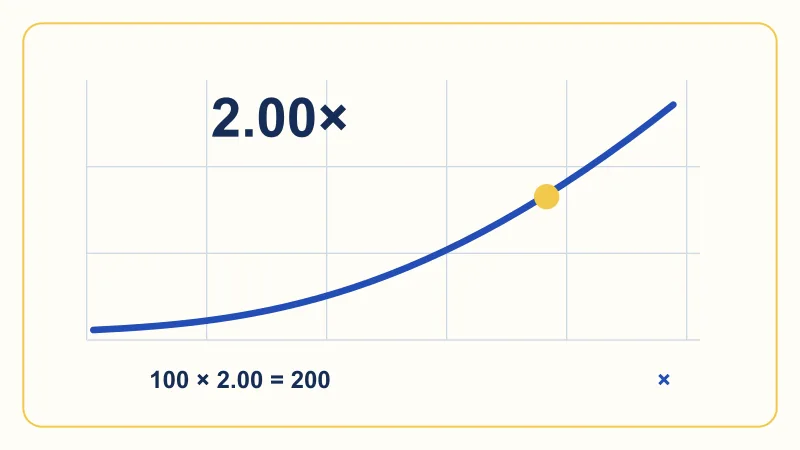
Crash multiplier explained: what does 2.00× mean?
Understand a Crash game multiplier, total return and the difference between a number on screen and a settled result.
Read guide →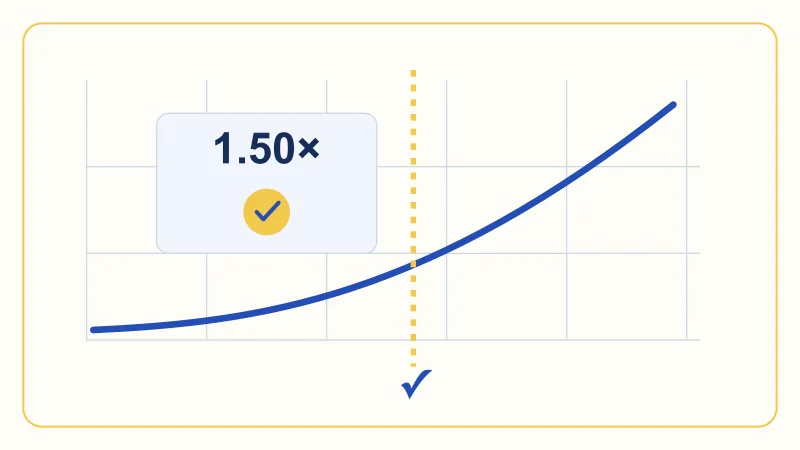
Crash cash out: request, confirmation and result
Learn what cash out means in a Crash round, how to read its confirmation and why cash out differs from a withdrawal.
Read guide →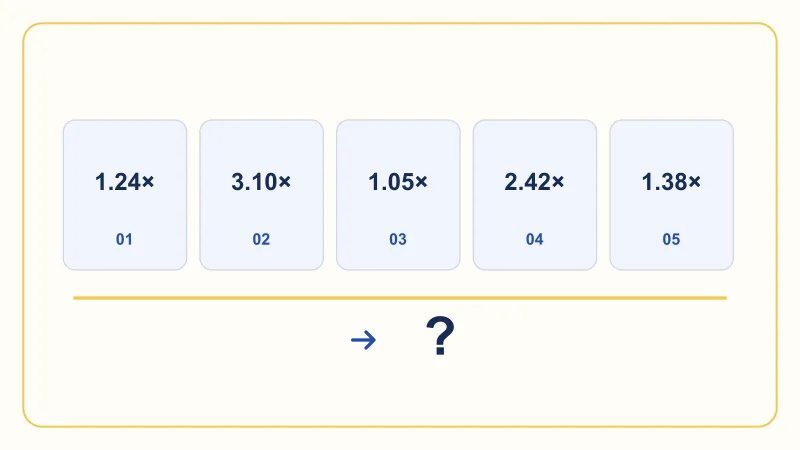
Crash round history: a record, not a prediction
Read completed Crash multipliers and round identifiers without mistaking a short history for a forecast or a fairness audit.
Read guide →
Auto cash out and auto bet: understand the difference
Check what an automatic Crash control does, which round it applies to and how to read its accepted settings.
Read guide →
Crash fairness claims: what evidence should you look for?
Separate a verifiable Crash result process from a logo, a history chart or an unsupported predictor claim.
Read guide →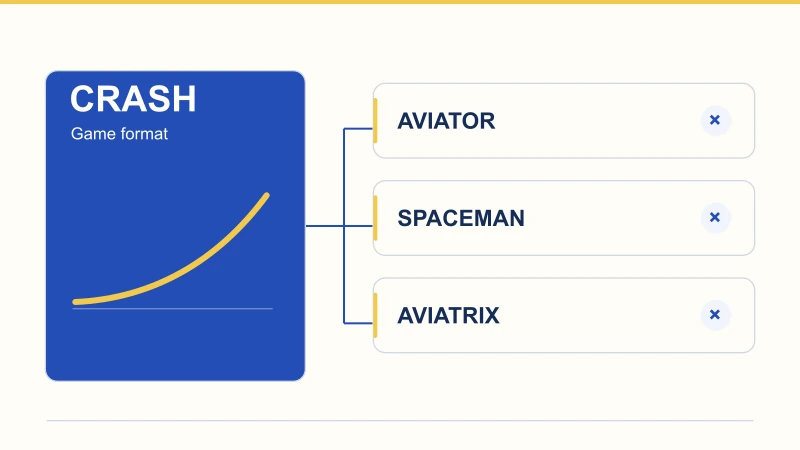
Aviator vs Crash: the name, the format and the differences
Is Aviator the same as Crash? Compare the game category with named products, then learn which controls and mobile details deserve a closer look.
Read guide →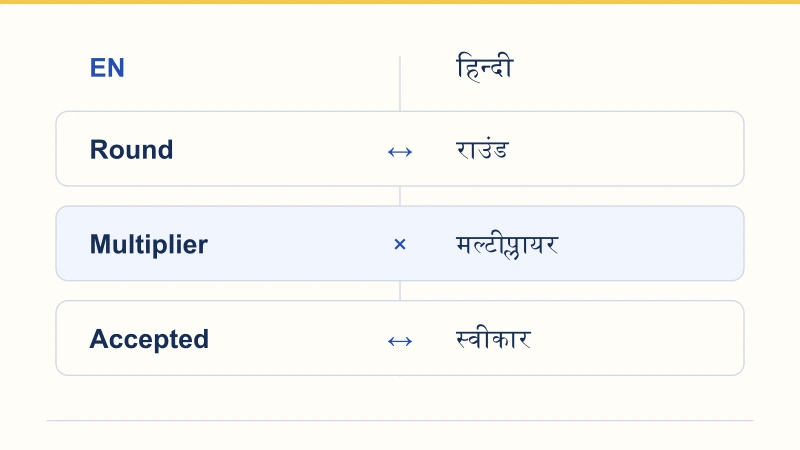
Crash glossary: 16 English terms with Hindi meanings
Look up 16 Crash terms in English and Hindi, with short examples that separate amounts, actions, records and claims on a small phone screen.
Read guide →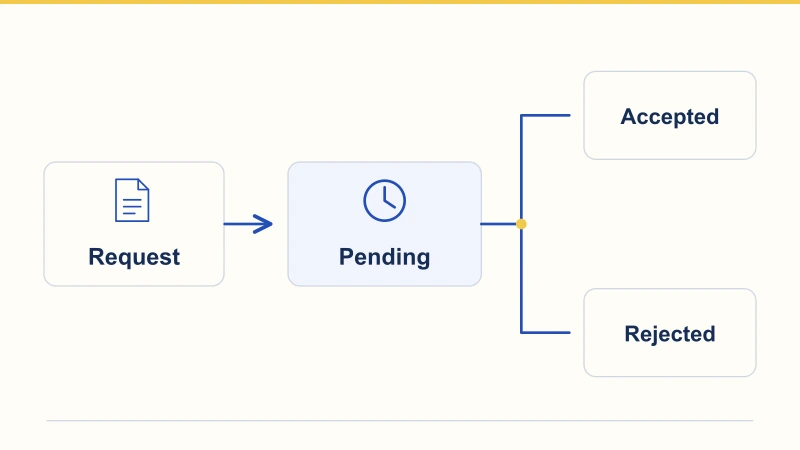
Pending, queued or rejected? Read a Crash action status
Compare six possible action statuses and work through three message examples, without confusing a pending request, cancelled entry or settled result.
Read guide →